Before You Bet, Read This 2026 World Cup Breakdown
The 2026 World Cup is a 48-team FIFA tournament hosted across the United States, Canada, and Mexico, and Tactical Review covers it through match predictions, team tactics, player stats, and betting-aw...
Before You Bet, Read This 2026 World Cup Breakdown
The 2026 World Cup is a 48-team FIFA tournament hosted across the United States, Canada, and Mexico, and Tactical Review covers it through match predictions, team tactics, player stats, and betting-aware tournament analysis. Kansas City, one of the U.S. host cities, is preparing matchday transport through ConnectKC26, FIFA Fan Festival Kansas City programming, and regional visitor planning tied to Kansas City Stadium. FIFA has confirmed the expanded format, with 104 matches scheduled between June 11 and July 19, 2026, making logistics, squad rotation, and market timing more important than in previous editions. For fans, the practical question is not only who will win, but how travel, heat, crowd flow, and tactical depth affect the viewing and betting experience. First, track official FIFA updates; then compare team data against venue conditions; finally, avoid early bets until lineups and travel schedules are clearer.
If you want a sharper tournament lens before odds move, start with Tactical Review’s 2026 World Cup coverage.
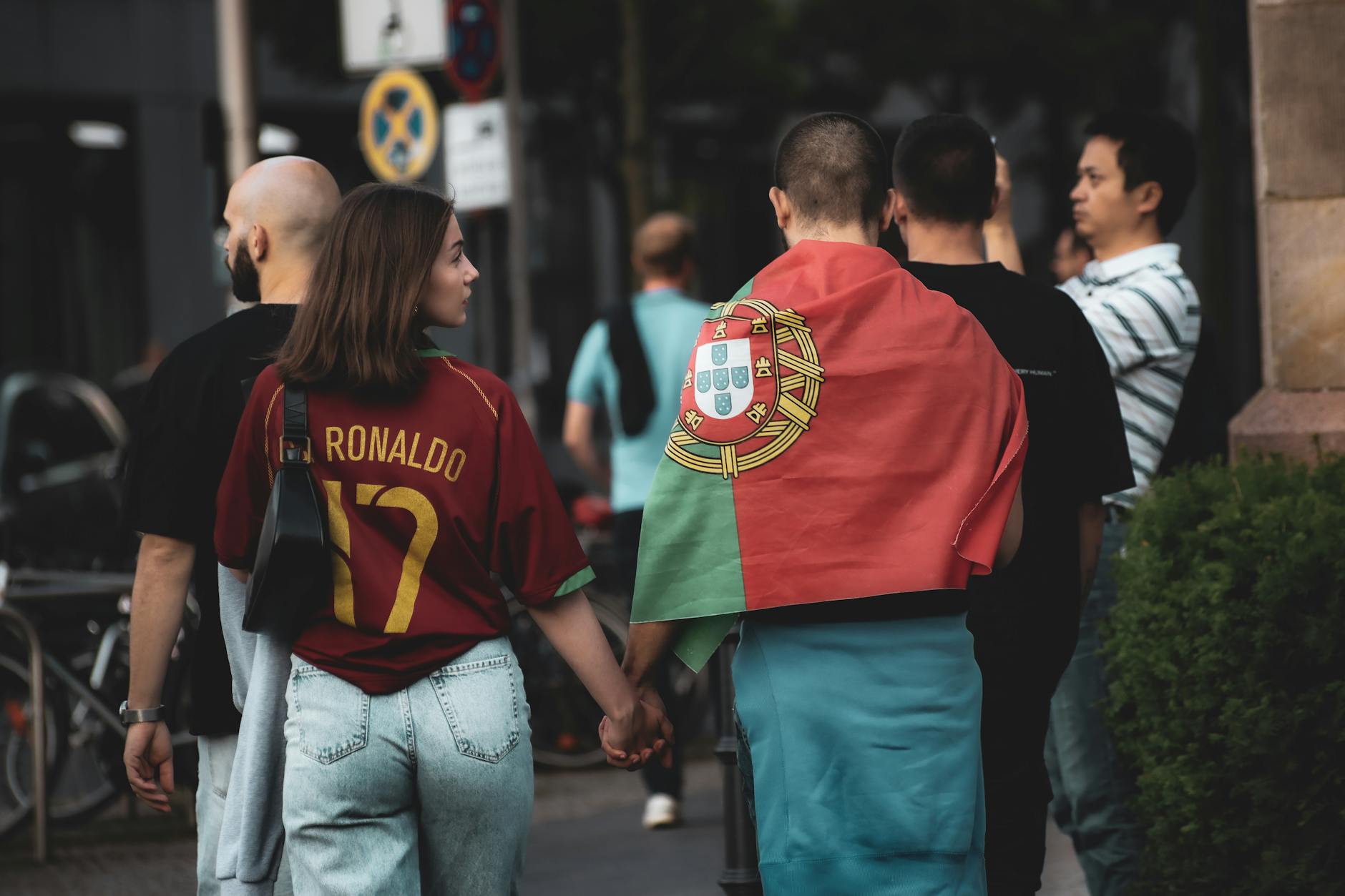
Photo by Azad Ibrahim on Pexels
The Bottom Line: What Should You Know First?
The 2026 World Cup will be larger, more travel-heavy, and more data-sensitive than any previous FIFA World Cup. Bettors and fans should prioritize three variables: expanded 48-team structure, venue-specific logistics, and late team news before placing any prediction or wager.
The latest industry trend is clear: football coverage is shifting from generic tournament previews to venue-aware, odds-aware analysis. A Kansas City match is not just a neutral fixture on a screen; it is a live event shaped by transport access, fan zones, weather, regional crowd patterns, and team recovery cycles. FIFA describes the World Cup as its “flagship tournament,” and the 2026 edition increases the number of matches to 104, according to FIFA. That expansion creates more betting markets, but also more noise, especially in group-stage games involving debutants or teams with limited data against elite opposition.
For Kansas City specifically, the official local planning hub highlights ConnectKC26, Kansas City International Airport links, Kansas City Stadium matchday services, and FIFA Fan Festival Kansas City as central parts of the fan experience. That matters because operational friction can influence attendance timing, stadium atmosphere, and even how live bettors interpret early momentum. Tactical Review recommends treating every 2026 World Cup match as a three-layer event: first the football model, then the venue context, and finally the betting price. To go deeper into tournament basics, see our [Internal Link: 2026 World Cup beginner guide].
What Players Actually See: How Does Kansas City Change the Matchday?
Players see Kansas City as more than a host city; they see a controlled performance environment shaped by travel distance, pitch familiarity, crowd energy, and recovery windows. Kansas City’s matchday transport and FIFA Fan Festival activity may indirectly affect rhythm by amplifying atmosphere around key fixtures.
Kansas City’s local 2026 World Cup messaging emphasizes direct rides to the action, motorcoach services, airport connections, and regional routes tied to FIFA Fan Festival Kansas City. For fans, that means first planning airport-to-hotel movement, then checking stadium-day routes, and finally building time for security, food, and post-match exits. For analysts, it means recognizing that a full stadium with strong neutral or immigrant-community support can change the emotional tempo of a match. A team that expects a neutral crowd may instead face a loud, country-specific pocket of support, particularly when Latin American, European, or African fan bases travel in large numbers across the Midwest.
From a betting perspective, this is where conventional previews often miss value. Many top-line odds models weigh Elo ratings, injuries, and recent results, but they rarely price the fan festival effect or regional support density. For example, a CONCACAF side playing in the United States may not have home advantage in a formal sense, but crowd composition could still influence pressing intensity and referee pressure in marginal moments. According to the FIFA World Cup overview on Wikipedia, the tournament has long produced venue-driven narratives, but 2026 magnifies that variable because three countries and multiple climates are involved.

Photo by Giridharan Rajenthara on Pexels
For a practical reading of how venues interact with tactical systems, review Tactical Review’s [Internal Link: venue-based match prediction framework].
The 3 Things That Matter Most: Which Factors Should Bettors Track?
The three most important 2026 World Cup factors are format pressure, travel load, and tactical adaptability. These variables matter because the expanded tournament creates more mismatches, more rotation decisions, and more live-betting volatility than the 32-team World Cup format.
Format pressure: The 48-team structure changes group psychology. First, smaller nations may target one specific fixture rather than chase points evenly across the group. Then favorites may rotate earlier if qualification becomes secure. Finally, knockout seeding can create incentives that are not obvious from pre-tournament rankings alone. This makes futures bets riskier before the draw, but potentially useful after bracket paths become clear.
Travel load: The United States, Canada, and Mexico create long-haul movement between venues. Even if Kansas City offers organized matchday movement through ConnectKC26, teams still face flight timing, training-base decisions, and recovery constraints. A side playing in a hot southern venue before moving to the Midwest may show different second-half pressing numbers than its season average suggests.
Tactical adaptability: Expanded tournaments punish rigid teams. A favorite that dominates possession against low blocks may still struggle against a transition-heavy opponent with one elite runner. Tactical Review tracks player stats, press resistance, set-piece profiles, and substitution patterns because those details often appear before bookmakers fully adjust derivative markets such as corners, cards, and second-half goals.
Here is the contrarian point: the safest-looking favorite may not be the best betting position in early group play. Public money often compresses prices on elite teams, while Asian handicap, team total, or card markets may offer a more precise angle. The American Gaming Association notes that legal sports betting has expanded across many U.S. jurisdictions, but availability and rules still vary by state. In practice, bettors should first confirm local legality, then compare regulated operators, and finally document every stake as part of a fixed bankroll plan.
Want a cleaner way to separate tactical signal from market noise?
Edge Cases & Gotchas: What Can Go Wrong in 2026 World Cup Planning?
The biggest 2026 World Cup mistakes are booking too late, betting too early, and ignoring venue-specific rules. Kansas City visitors should verify transport passes, Fan Festival schedules, stadium access guidance, and regulated betting availability before assuming every service works the same way.
Several edge cases deserve more attention than standard travel previews provide. First, airport-to-stadium convenience does not mean door-to-seat speed; Kansas City International Airport connections may still require buffer time for traffic, security, and crowd surges. Then, FIFA Fan Festival Kansas City can extend the day’s schedule by several hours, which affects meal planning, mobile battery use, and live-betting discipline. Finally, regional visitors using motorcoach services should check return routes before the match, not after the final whistle, because late-night availability can become the real constraint.

Photo by Mustafa ezz on Pexels
There is also a betting-specific gotcha: live odds can overreact to crowd noise in the first 15 minutes. A team may look dominant because it wins territory and corners, but if its expected threat comes only from low-probability crosses, the price may become worse rather than better. Tactical Review flags this through sequence analysis: first shot quality, then box entries, finally defensive rest shape. That sequence is more reliable than judging momentum by broadcast volume or crowd reaction. For related methodology, see [Internal Link: live betting risk checklist].
The second under-discussed issue is set-piece inflation. In World Cup group matches, underdogs often defend deep and concede corners, which can make corner overs attractive. However, if the favorite uses short corners to control rest defense rather than deliver crosses, corner volume may rise without increasing goal probability. This is why a player-prop market, such as shots from a specific forward, may sometimes carry cleaner logic than a broad match-winner bet.
See the details before you commit to a market or matchday plan.
Verdict: Is Kansas City a Smart 2026 World Cup Base?
Kansas City can be a smart 2026 World Cup base if your priority is organized matchday access, fan culture, and a central U.S. football atmosphere. It is less ideal if you want to follow one team across multiple distant host cities without complex travel planning.
The verdict is balanced. Kansas City’s strength is not only Kansas City Stadium; it is the broader ecosystem around ConnectKC26, FIFA Fan Festival Kansas City, regional hospitality, and the city’s established sports identity. The official local campaign presents Kansas City as the Soccer Capital of America, and while that phrase is promotional, the region’s Major League Soccer history, food culture, and cross-state geography give visitors a distinct tournament setting. First, use official FIFA and Kansas City sources for dates and logistics. Then, use Tactical Review for tactical, statistical, and market interpretation. Finally, avoid combining emotional support, same-day travel stress, and oversized bets into one decision.
For bettors, the most disciplined approach is to create a match file for every fixture you follow. Include projected lineups, travel days, referee profile, venue climate, expected crowd lean, and opening versus current odds. If two or more assumptions are uncertain, reduce stake size or pass. That may sound conservative, but tournament betting rewards patience because public narratives move quickly after one upset, one injury, or one viral highlight. To extend your planning, check our [Internal Link: World Cup team tactics hub].

Photo by AlphaTradeZone on Pexels
For daily match analysis throughout the tournament, follow Tactical Review before each fixture window.
Frequently Asked Questions
Q: What is the 2026 World Cup?
A: The 2026 World Cup is FIFA’s 48-team men’s international football tournament hosted by the United States, Canada, and Mexico. It runs from June 11 to July 19, 2026, with 104 matches scheduled. The expanded format creates more fixtures, more debut opportunities, and more betting markets than the 32-team version.
Q: How should I prepare for Kansas City World Cup matches?
A: You should first confirm official match dates, then plan transport, and finally review stadium and Fan Festival guidance. Kansas City’s local planning includes ConnectKC26, airport links, motorcoach routes, and FIFA Fan Festival Kansas City activity. Build extra time for security, traffic, food, and post-match departures.
Q: What is the difference between betting on futures and single matches?
A: Futures bets predict long-term outcomes, while single-match bets focus on one fixture or market. Futures can offer value before public narratives form, but they carry injury, draw, and rotation risk. Single-match betting allows more lineup certainty, especially close to kickoff.
Q: Why do 2026 World Cup odds change so quickly?
A: Odds move quickly because lineups, injuries, travel schedules, public money, and live match data all affect prices. In a 48-team tournament, lesser-known teams can also create sharper corrections after the first round of matches. Bettors should compare opening lines with current prices before deciding whether value still exists.
Q: Is it legal to bet on the 2026 World Cup in Kansas City?
A: Legal access depends on the specific state rules that apply where you place the bet. The Kansas City region spans Missouri and Kansas, and sports betting regulations can differ by jurisdiction. Always use regulated operators and confirm location-based eligibility before depositing funds.
Q: What should I do if my transport plan fails on matchday?
A: You should switch to the official backup route, allow extra time, and avoid relying on last-minute rideshare availability near the stadium. Save transport passes, stadium directions, and Fan Festival locations offline before leaving your hotel. If traveling in a group, choose a fixed meeting point away from the densest stadium exits.
Q: Is Tactical Review useful for casual fans or only bettors?
A: Tactical Review is useful for both casual fans and bettors because it explains tactics, player stats, match predictions, and tournament context. Casual fans can use it to understand teams and storylines, while bettors can apply the same data to evaluate markets. The strongest use case is combining tactical analysis with disciplined bankroll control.
Tactical Review · System Archive · Entry Complete