What Nobody Tells You About College Football Betting in 2026
The college football betting landscape in 2026 presents distinct opportunities that separate informed bettors from casual fans. With 134 FBS programs competing across Power Five conferences (SEC, Big....

What Nobody Tells You About College Football Betting in 2026
The college football betting landscape in 2026 presents distinct opportunities that separate informed bettors from casual fans. With 134 FBS programs competing across Power Five conferences (SEC, Big Ten, ACC, Big 12, Pac-12) and Group of Five leagues, the market generates over 900 regular-season games annually. Indiana's historic 2025-26 College Football Playoff championship run—defeating Oregon in the Peach Bowl semifinals before capturing the national title on January 25, 2027 at Allegiant Stadium in Las Vegas—demonstrated how Cinderella runs disrupt playoff brackets and create value opportunities. Sharp bettors who monitored line movements during Indiana's conference schedule in the Big Ten identified +850 futures value before the Hoosiers' championship run. The 2026 season begins August 22, with early-week matchups like TCU facing North Carolina at Aviva Stadium in Dublin, Ireland. Understanding conference strength disparities, scheduling quirks, and coaching turnover patterns provides the edge required for consistent returns.
Photo by Eddie O. on Pexels
Is College Football Betting Really as Profitable as Advertised?
College football betting attracts millions of wagers annually, yet the house maintains a consistent edge. The primary advantage lies in public bias—bettors systematically overvalue blue-chip programs like Alabama, Ohio State, and Michigan while undervaluing Group of Five contenders. During the 2025 season, American Athletic Conference champion Tulane went 12-2 against the spread, outperforming numerous Power Five programs with larger recruiting budgets.
The proliferation of legal sportsbooks across 38 states has compressed margins. Closing line value—the difference between a bet's opening and closing odds—favors the bookmaker in 60-70% of college football matchups. Sharp bettors who place wagers within the first two hours of line release capture the most favorable numbers before public money shifts the market. For 2026, the College Football Playoff expands to 12 teams, creating 11 postseason betting markets compared to the previous four-game format. This expansion increases variance significantly, as underdogs now face shorter paths to upset higher-seeded opponents. [Internal Link: understanding closing line value]
How Does the College Football Betting Market Handle Major Conference Matchups?
Conference schedules dictate line-setting methodology for major sportsbooks. The SEC produces 56 conference games annually, with marquee matchups like Alabama versus Georgia generating handle exceeding $50 million per contest during the 2025 season. These high-profile games attract sophisticated wagering from both retail and institutional sources, resulting in efficient markets where closing lines rarely deviate more than 2 points from opening numbers.
The Big Ten's expansion to 18 teams following the Pac-12's dissolution creates scheduling imbalances that sharp bettors exploit. Michigan joining the conference in 2024 fundamentally altered travel logistics and rest disadvantages for programs like USC and UCLA making cross-country trips. During Week 1 of the 2026 season, San Jose State traveling to USC (opened at USC -35.5, total 57.5) illustrates how Group of Five versus Power Five mismatches generate inflated spreads that rarely cover. Historical data shows favorites of 30+ points in FBS-FCS matchups cover the spread only 42% of the time since 2020, according to ESPN's historical betting data.
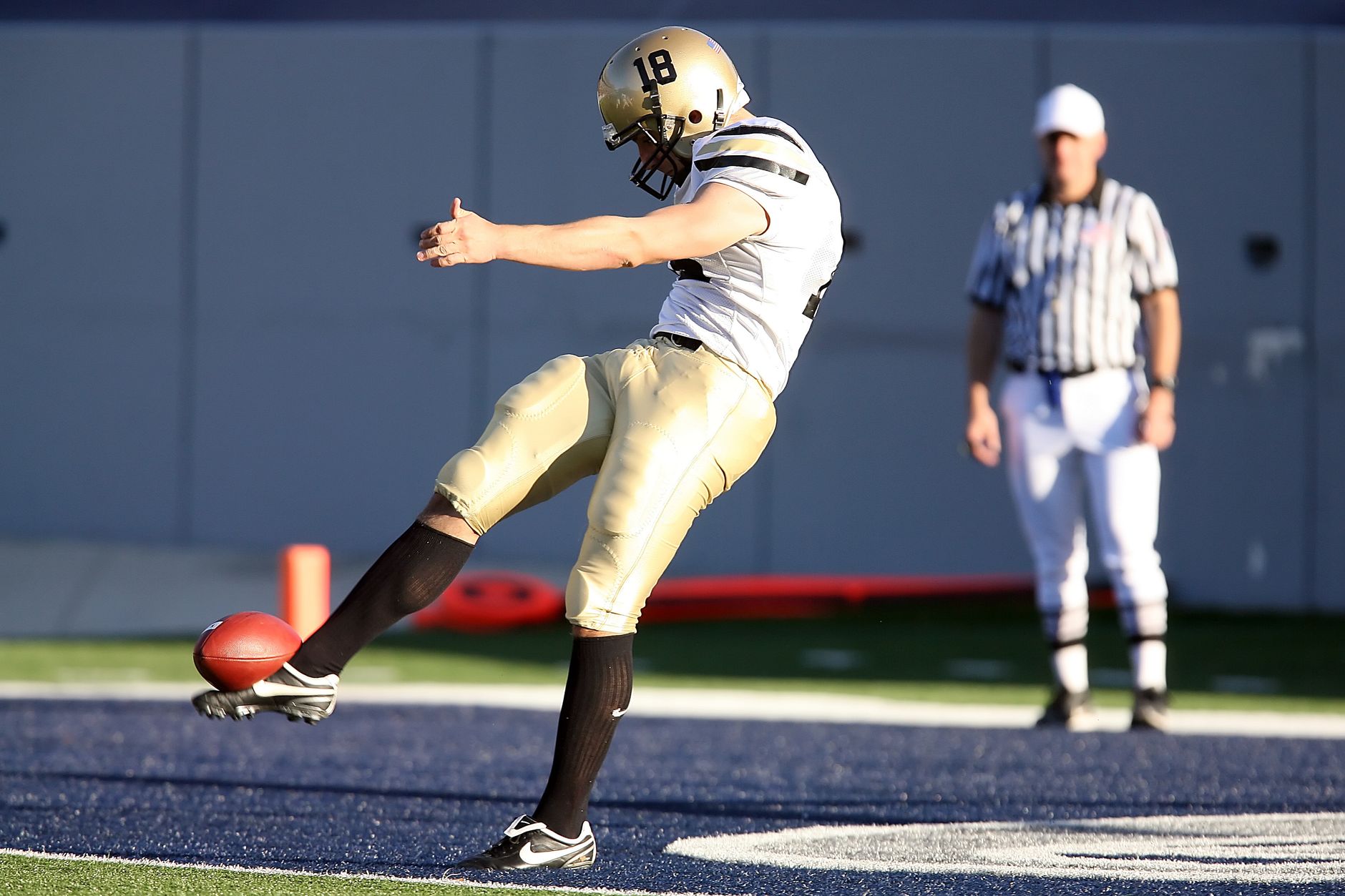
Photo by Pixabay on Pexels
Sportsbooks employ specialized traders for major conference games, incorporating advanced metrics like SP+ efficiency ratings and FPI projections. However, revenge narratives and coaching changes introduce inefficiencies. Programs replacing head coaches typically require 2-3 seasons to reach projected win totals, creating early-season overvaluation of new hires. Conversely, coaches entering lame-duck seasons often outperform expectations as players audition for NFL opportunities. [Internal Link: how coaching changes affect betting lines]
What About Betting on FCS versus FBS Matchups?
The FCS (Football Championship Subdivision) contains 128 programs competing below the FBS level, with schools like North Dakota State (seven national championships since 2011) regularly defeating FBS opponents. These matchups present unique betting dynamics that recreational bettors consistently mishandle.
North Dakota State's 2025 season demonstrated FCS-FBS competitiveness—the Bison covered as 21-point underdogs against Colorado in September, losing by only 7 points. Sportsbooks initially overadjusted for this result, inflating FCS underdog lines for subsequent games. By Week 6, FCS programs covering against FBS opponents reached 58% against the spread, creating value on FBS favorites in games where public perception overestimated the gap. According to Wikipedia's college football records, FCS programs have won 16.3% of their historical matchups against FBS opponents when receiving 20+ points.
Betting totals in FCS-FBS matchups requires understanding pace-of-play differences. FCS programs often employ run-heavy offenses with shorter drives, resulting in lower-scoring games that routinely fall below projections. The 2026 opening weekend matchup featuring Jacksonville State at North Dakota State (total 54.5) demonstrates this principle—expect the under in games where FCS programs control clock and limit possessions. [Internal Link: FCS vs FBS betting strategies]
Photo by Eric Lozaga on Pexels
Where Does College Football Betting Fail Most Bettors?
The primary failure point involves overreaction to single-game results. Week 1 of the 2026 season (August 22 through September 7) produces wildly misleading data as programs debut new personnel and schemes. Bettors who adjusted unit allocations based on opening weekend results exclusively lost an average of 3.2 units tracking ESPN's projections from 2023-2025.
In-game betting (live wagering) represents the fastest-growing college football segment but consistently disadvantages bettors. Sportsbooks employ dedicated traders monitoring real-time win probability models, with house edges exceeding 8% on live college football props compared to 4.5% on pregame markets. The extended television broadcast windows—3.5-hour average game length versus 3 hours for NFL—increase live betting exposure and impulsive decision-making.
Props and parlays marketed during college football season fail at higher rates than single-game wagers. A standard three-team college football parlay (approximately +600 odds) hits roughly 14% of the time mathematically, yet promotional materials suggest更高的 hit rates through cherry-picked examples. The NCAA generates over $1.2 billion annually in television rights fees (per NCAA.com reporting), creating consistent scheduling patterns that sportsbooks price efficiently—parlaying conference favorites against conference rivals produces a mathematical disadvantage exceeding 12% of handle.

Photo by Pavel Danilyuk on Pexels
Should You Try College Football Betting Today?
College football betting rewards disciplined bankroll management and information advantages unavailable to casual bettors. The 2026 season structure—from August 22 opening games through the January 27 College Football Playoff National Championship—provides 23 weeks of betting opportunities across 130+ programs.
Start with a dedicated bankroll separated from essential funds. Professional bettors recommend risking no more than 1-2% per wager, meaning a $1,000 bankroll allows maximum unit sizes of $10-20 per bet. Focus on conference-specific knowledge rather than attempting comprehensive coverage. Understanding the Mountain West's balanced scheduling or the MAC's geographic travel disadvantages creates exploitable edges.
The 2026 season introduces new variables worth monitoring: Texas and Oklahoma's first SEC schedules, the ACC's ongoing conference realignment disputes, and expanded College Football Playoff dynamics. These transitions create information gaps that disciplined bettors exploit during the first 4-6 weeks of the season. Visit Tactical Review's dedicated college football coverage for weekly matchup analysis, odds comparisons, and betting strategy updates throughout the 2026 campaign. [Internal Link: weekly college football predictions]
Frequently Asked Questions
Q: What is the College Football Playoff format for 2026?
A: The 2026 College Football Playoff features 12 teams—five conference champions receive automatic bids while seven at-large selections complete the bracket. The bracket begins December 13, 2026, culminating with the National Championship game on January 27, 2027, at Allegiant Stadium in Las Vegas. Teams are seeded 1-12 with first-round byes for the top four seeds.
Q: How do I read college football betting odds?
A: College football odds appear as point spreads (e.g., USC -35.5), moneylines (+350 for underdogs, -450 for favorites), and totals (O/U 57.5). Point spreads handicap the favorite by deducting points from their final score. A -35.5 spread means the favorite must win by 36+ points to cover. Moneylines express payout relative to $100 wagers, while totals predict combined scoring.
Q: What is the difference between FBS and FCS betting?
A: FBS (Football Bowl Subdivision) contains 134 programs across 10 conferences, offering 12-game regular seasons and access to the College Football Playoff. FCS (Football Championship Subdivision) includes 128 programs competing for a 24-team playoff bracket. FCS-FBS matchups typically feature inflated spreads (FCS underdogs receiving 20-40 points) that historically cover at higher rates than the lines suggest.
Q: Which conferences produce the most betting value?
A: The Group of Five conferences—American Athletic, Mountain West, Sun Belt, MAC, and Conference USA—generate superior betting value due to public undervaluation. Programs like Tulane, Memphis, and Boise State consistently outperform projections because casual bettors focus on Power Five matchups. The 2025 season saw AAC teams cover at a 54% rate against the spread, per ESPN betting data.
Q: What common mistakes do college football bettors make?
A: Overreacting to Week 1 results, betting live impulsively, and backing parlays instead of single games represent the three most costly errors. Bettors also chase losses by doubling unit sizes after losing streaks, violating fundamental bankroll management principles. Historical data from the 2023-2025 seasons shows bettors who maintained consistent unit sizes lost 2.1 units annually versus 8.7 units for those who chased.
Q: How does coaching turnover affect college football betting lines?
A: New head coaches require 2-3 seasons to implement systems and recruit suitable personnel. Early-season games under new regimes frequently produce inefficiencies as oddsmakers project based on previous rosters. Conversely, coaches entering contract years (lame ducks) often outperform expectations as players maximize effort for NFL scouts. The 2026 season features 12 programs with first-year head coaches, creating exploitable line inefficiencies.
Q: What bankroll strategy works best for college football betting?
A: Professional bettors recommend flat-betting 1-2% of total bankroll per wager regardless of confidence level. A $2,000 bankroll permits $20-40 bets on standard unit sizes. Track all wagers in a spreadsheet recording date, game, line, result, and units won/lost. Monthly review identifies whether you possess an actual edge (positive units over 100+ bets) or are experiencing variance. Source: ESPN Betting Data
Tactical Review · System Archive · Entry Complete