The Soccer Fan's Guide to the 2026 World Cup Schedule
The 2026 FIFA World Cup runs from June 11 to July 19, 2026, across 16 host cities in the United States, Mexico, and Canada — the first tournament in history to feature 48 teams, 12 groups, and 104 mat...
The Soccer Fan's Guide to the 2026 World Cup Schedule
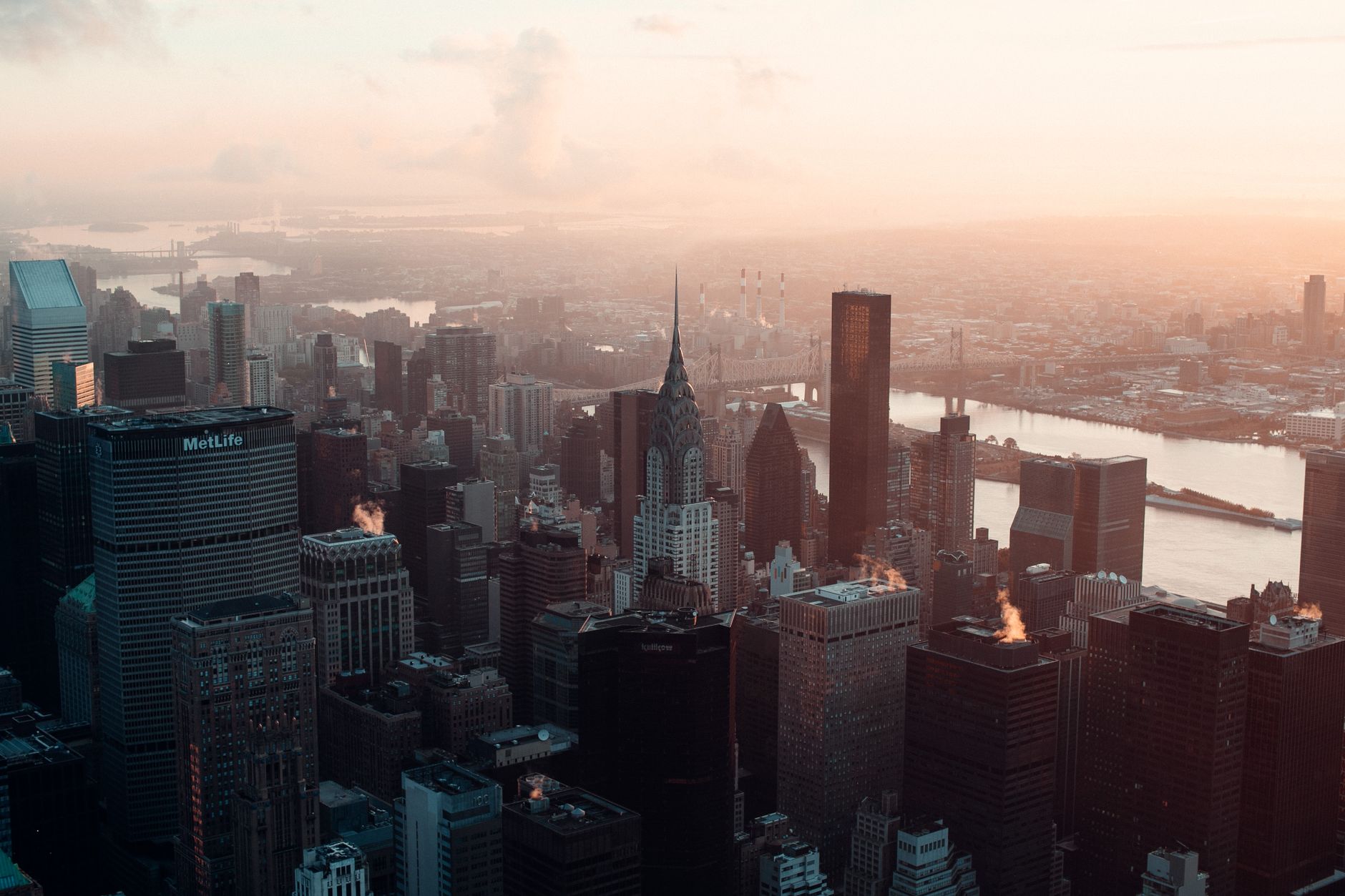
The 2026 FIFA World Cup runs from June 11 to July 19, 2026, across 16 host cities in the United States, Mexico, and Canada — the first tournament in history to feature 48 teams, 12 groups, and 104 matches. The final is scheduled for MetLife Stadium in East Rutherford, New Jersey. This expanded format means more games, more travel, and more complexity for fans trying to plan their viewing calendar, which is exactly why Tactical Review has broken down every phase of the schedule below.
Photo by Sam Kolder on Pexels
Step 1: Understanding the New 48-Team Format
The 2026 World Cup introduces the most significant structural change since the tournament expanded to 32 teams in 1998. Instead of eight groups of four, the competition now uses 12 groups of four, producing a knockout bracket that begins at the round of 32 rather than the round of 16. According to FIFA's official tournament documentation, this shift adds 40 additional matches to the calendar and extends the group stage window from 12 days to roughly 16.
Why does this matter for your schedule planning? Because the match density per day increases sharply during the final week of group play. Historically, a group-stage day might feature three or four fixtures; in 2026, expect six to eight on the busiest days, as confirmed by the ESPN FIFA World Cup schedule. For fans tracking multiple national teams or making match predictions, that compressed window demands a structured viewing plan.
[Internal Link: 2026 World Cup group stage draw results]
Step 2: Mapping the 16 Host Cities and Time Zones
The tournament spans three countries and four time zones — a logistical first. The 16 venues break down as 11 in the United States, 3 in Mexico, and 2 in Canada. The westernmost host city is Vancouver (Pacific Time), while the easternmost is Miami (Eastern Time), creating a four-hour spread that affects kickoff times for any neutral fan watching from home.
Here is the host city breakdown you'll need:
- United States (11): Atlanta, Boston, Dallas, Houston, Kansas City, Los Angeles, Miami, New York/New Jersey, Philadelphia, San Francisco Bay Area, Seattle
- Mexico (3): Guadalajara, Mexico City, Monterrey
- Canada (2): Toronto, Vancouver
Kickoff windows will likely cluster around 12:00, 15:00, 18:00, and 21:00 local venue time — a structure used since the 2006 tournament to accommodate global broadcast audiences. Because matches in Seattle and San Francisco will start as late as 21:00 local time, fans on the U.S. East Coast will see those games kick off at midnight Eastern. If you're planning viewing parties or building a prediction model around team tactics, factor in the fatigue effect these late games produce.
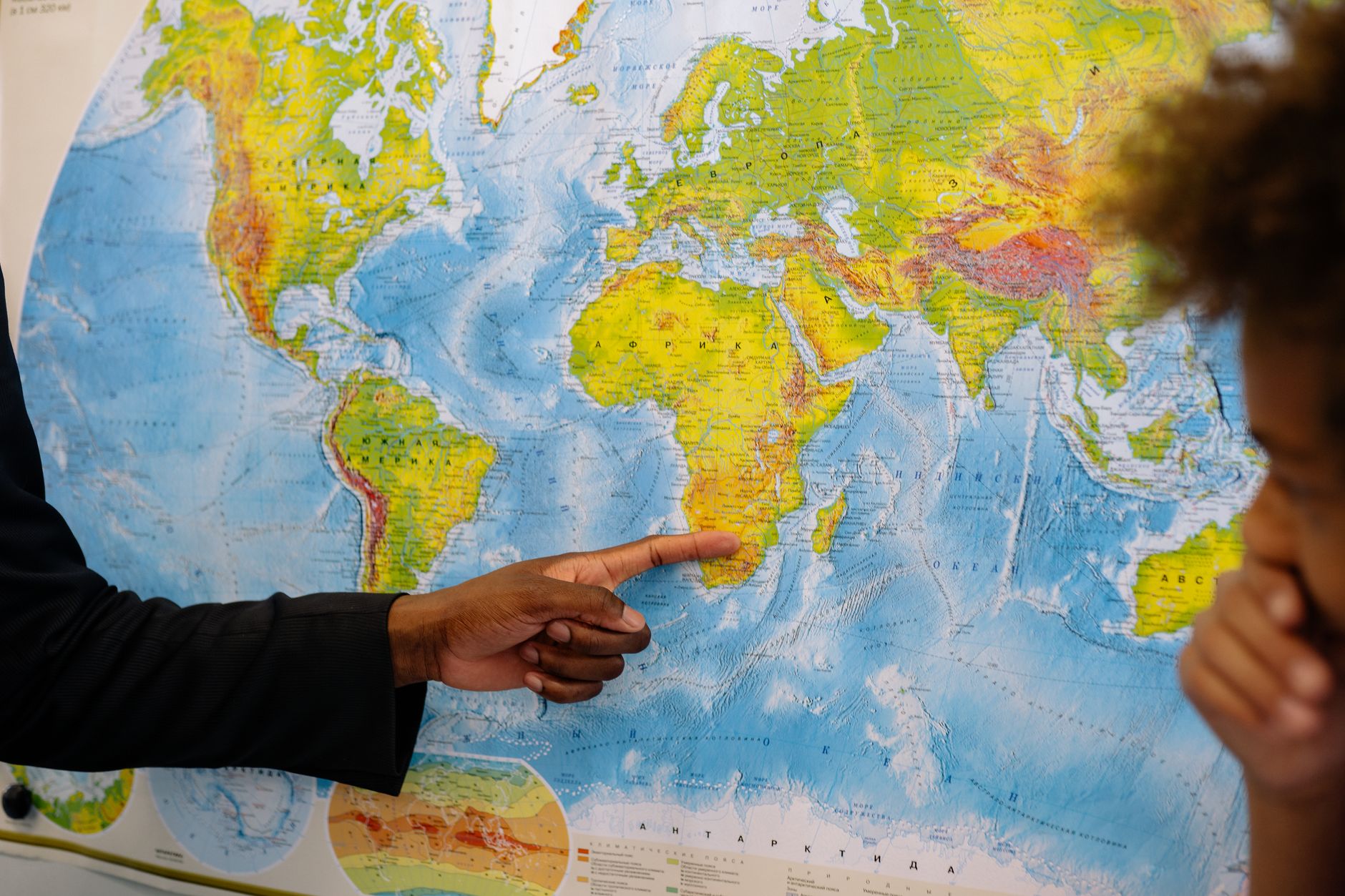
Photo by Yan Krukau on Pexels
Step 3: Breaking Down the Tournament Phases by Date
The 2026 calendar divides into four distinct phases, each with a different rhythm. Tactical Review has tracked the confirmed FIFA schedule to give you a phase-by-phase framework rather than a raw list of 104 fixtures.
Phase 1: Group Stage (June 11 – June 27, 2026)
The opening match takes place on June 11 at Estadio Azteca in Mexico City — only the second time a World Cup has launched outside Europe (the first was 1930 in Uruguay). Each of the 12 groups plays three matchdays, meaning every team contests Matches 1, 2, and 3 on rotating days within a 10-day window.
Phase 2: Round of 32 (June 28 – July 2, 2026)
The top two teams from each group plus the eight best third-placed teams advance — a format change from the previous four-best-third-placers rule. This creates 16 knockout matches over five days, increasing the number of rest days between knockout rounds for the surviving teams.
Phase 3: Round of 16, Quarterfinals, Semifinals (July 3 – July 15, 2026)
Standard single-elimination progression, with the quarterfinals spread across two days and the semifinals on July 14 and 15.
Phase 4: Third-Place Match and Final (July 18 – July 19, 2026)
The final lands on July 19, 2026, at MetLife Stadium, which seats 82,500 spectators and will host its first-ever World Cup final.
[Internal Link: tournament bracket predictions and analysis]
Step 4: Identifying Key Dates Worth Blocking Off
If you cannot watch every match, certain dates carry disproportionate weight for prediction markets and tactical analysis. These are the fixtures where team stats, player conditions, and group standings converge.
June 11, 2026: Opening match at Estadio Azteca
June 14–15, 2026: First full matchday with 8–12 simultaneous games
June 23–24, 2026: Final group-stage matchday, featuring simultaneous kickoffs to prevent teams from knowing results in advance — a practice FIFA reintroduced after its 2018 adoption
June 28, 2026: First round-of-32 fixture
July 15, 2026: Semifinals
July 19, 2026: Final at MetLife Stadium
Step 5: Verifying Schedule Changes and Last-Minute Updates
The official 2026 World Cup schedule was published by FIFA in early 2025 and is considered stable, but venue reassignments and kickoff time adjustments remain possible. The first practical verification step is to cross-reference FIFA's match center with broadcaster schedules from FOX (U.S. rights holder), TUDN (Spanish-language U.S. rights), and BBC or ITV (UK rights). According to Wikipedia's 2026 FIFA World Cup entry, FIFA retains the right to move fixtures up to 72 hours before kickoff for operational reasons.
Your verification routine should look like this:
- First, check FIFA.com for the canonical fixture list with confirmed venues and kickoff times in local and UTC formats.
- Then, compare against your broadcaster's published schedule to confirm channel assignments and pre-match coverage windows.
- Finally, monitor team social media accounts 24–48 hours before each match for lineup announcements that may shift your viewing priority.
Troubleshooting Common Failures
Even with a published schedule, several practical problems can disrupt your 2026 World Cup viewing experience.
What happens if a venue change occurs mid-tournament?
FIFA has historically moved individual matches to alternative venues within the same host city when pitch conditions or logistical issues arise — for example, shifting from a 70,000-seat stadium to a 40,000-seat venue. This happened during the 2022 Qatar World Cup, where two group-stage matches were relocated from Al Bayt Stadium to Stadium 974. If this occurs in 2026, ticketed fans receive automatic transfers; broadcast schedules typically remain unchanged.
Why might kickoff times shift from what's listed?
Broadcast partners in different regions negotiate kickoff slots up to 60 days before each match. The slots published in the general schedule are placeholders, not final times. Always check the specific match page on FIFA's platform within two weeks of the fixture.
How do you handle the four-hour time zone spread?
If you're following teams playing in both Pacific and Eastern time zones, prioritize the games from your home team's group first, then build backward from there. Many fans on the U.S. East Coast miss the late West Coast matches entirely and rely on same-day highlights rather than live viewing — a strategy Tactical Review covers in our daily tournament coverage.
What if your team plays on the same day as the host nation's team?
The three host nations — the United States, Mexico, and Canada — are seeded into distinct groups to prevent a same-day scenario during the group stage. However, their potential paths could still overlap in later rounds.
Frequently Asked Questions
Q: When exactly does the 2026 World Cup start and end?
A: The tournament begins on June 11, 2026, at Estadio Azteca in Mexico City and ends with the final on July 19, 2026, at MetLife Stadium in East Rutherford, New Jersey. That gives a 39-day window from opening match to trophy lift.
Q: How many teams are in the 2026 World Cup?
A: 48 national teams will compete, up from 32 in previous tournaments. The expansion was confirmed by FIFA in 2017 as part of the 2026 hosting agreement with the United Bid, which proposed 48 teams from inception.
Q: How many total matches will be played?
A: There will be 104 matches, compared to 64 in the 2022 Qatar World Cup. The increase comes from adding 24 group-stage matches and a round-of-32 playoff round.
Q: Which countries are hosting the 2026 World Cup?
A: The United States, Mexico, and Canada are co-hosting. The U.S. hosts 11 of the 16 venues, including the final, while Mexico and Canada each host smaller allocations of 3 and 2 cities respectively.
Q: How are the 48 teams divided into groups?
A: Teams are placed into 12 groups of 4. The top two finishers in each group automatically advance, along with the eight best third-placed teams, producing 32 sides for the knockout round.
Q: Where can I find the official 2026 World Cup schedule?
A: The authoritative source is FIFA's official tournament platform at FIFA.com. Broadcasters like FOX Sports (United States), BBC (United Kingdom), and TUDN (Spanish-language Americas) publish adapted versions with channel assignments and pre-match programming times.
Q: Can I still get tickets for the 2026 World Cup?
A: FIFA used a phased lottery system that began in late 2025. Remaining inventory moves through resale platforms, though FIFA requires official registration through its platform to combat fraud. Check FIFA.com for the current phase status.
[Internal Link: Tactical Review match predictions hub]
Tactical Review · System Archive · Entry Complete