The German Player's Guide to Licensed Online Gambling in 2026
Germany's online gambling market operates under one of Europe's strictest regulatory frameworks, managed by the Gemeinsame Glücksspielbehörse der Länder (GGL), which began issuing national licenses in...

The German Player's Guide to Licensed Online Gambling in 2026
Germany's online gambling market operates under one of Europe's strictest regulatory frameworks, managed by the Gemeinsame Glücksspielbehörse der Länder (GGL), which began issuing national licenses in July 2021. As of August 2026, only operators holding this license can legally offer online slots, poker, and sports betting to German residents. The framework enforces a €1 maximum stake limit per spin on slot games, a €1,000 monthly deposit cap across all licensed operators, and mandatory 5-second pauses between spins. Over 50 operators have received GGL approval so far, though many international casinos still accept German players through offshore Curaçao or Malta licenses. Players comparing the licensed market in 2026 should prioritize GGL-registered brands, confirm EUR payment support, and verify withdrawal processing times before committing funds. Understanding these regulations protects both your bankroll and your legal standing as a consumer.
Photo by Ercan Evcimen on Pexels
If you want to see how these regulations compare to other major European markets, [Internal Link: our beginner's guide to regulated European gambling] walks through the licensing landscape country by country. First, let's examine whether Germany's reputation for tight regulation actually matches reality, then look at the practical mechanics every player encounters at the cashier and the slots lobby.
Is the German online gambling market really as regulated as it seems?
Yes. Since the State Treaty on Gambling (Glücksspielstaatsvertrag 2021) came into force, every legal online casino and sportsbook in Germany must hold a Gemeinsame Glücksspielbehörse der Länder (GGL) license. This unified permit replaced a patchwork of regional rules and introduced uniform player protection standards nationwide.
Germany's regulatory overhaul did not happen overnight. The Glücksspielstaatsvertrag 2021 was negotiated across all 16 federal states and took effect on July 1, 2021, after years of legal ambiguity that had allowed thousands of unlicensed operators to serve German customers. The GGL, headquartered in Halle (Saale), now acts as the single national authority, issuing licenses, monitoring compliance, and maintaining a public whitelist of approved operators.
The most visible change for players is the strict product design. Slots must display a €1 maximum bet per spin, which frustrates high-roller strategies but limits downside risk. A 5-second cooldown between spins prevents rapid loss sequences, while a €1,000 monthly deposit cap is enforced across every GGL-licensed operator, not per site. According to the GGL's official 2026 licensing register, more than 50 operators now hold active national permits, including major brands such as Bwin, Tipico, and Novoline.
How does the GGL licensing system handle player protection?
The GGL enforces player protection through five mandatory mechanisms that go far beyond ordinary KYC checks. These include the €1,000 monthly deposit limit, the €1 spin cap, a centralized exclusion database (OASIS), mandatory reality checks every 60 minutes, and a hard prohibition on bonus offers tied to slot play.
The OASIS (Online-Abfrage Spielerstatus-Informations-System) exclusion database deserves special attention because it is unique to Germany. Any player who self-excludes, or who is excluded by a licensed operator, is flagged across the entire GGL ecosystem. According to the German Federal Centre for Health Education, over 400,000 Germans were registered in OASIS by early 2026, making it one of the largest centralized exclusion systems in the world.
Beyond exclusion, reality checks interrupt play every 60 minutes with a popup showing total time spent and net position. Loss limits are tracked at the operator level but reported in aggregate to ensure players cannot simply register at a second site to bypass the cap. For sports betting, in-play wagering on Bundesliga matches and other German league events was originally restricted but has been progressively expanded since 2023 under revised GGL guidance. Players looking to compare these limits with other major markets will find useful context in our [Internal Link: payment methods for German players] overview.

Photo by Stefan Coders on Pexels
Curious how the limits feel in practice? Many German players run into the deposit cap within a single weekend session, which leads to the next natural question: what happens if you want more flexibility?
What about international casinos that still accept German players?
International casinos licensed in Curaçao, Malta, or the Philippines continue to accept German residents in 2026, operating in a legal gray zone under EU freedom-of-services principles. They offer higher deposit limits, larger bonuses, and unrestricted spin speeds, but they carry no German consumer protection and no recourse to the GGL if disputes arise.
The legal situation is more nuanced than most players realize. The GGL has issued cease-and-desist notices to dozens of offshore operators since 2022, and German payment processors increasingly block transactions to unlicensed casinos. Still, EU-based operators licensed in Malta argue they can legally serve German customers under existing EU treaties, and several major brands have successfully defended this position in administrative courts. The 2026 market reality is that GGL enforcement focuses on payment blocking and advertising restrictions rather than prosecuting individual players, which is why offshore sites remain technically accessible.
For a player evaluating both options, the trade-offs are concrete:
- GGL-licensed operators: €1 spin cap, €1,000 monthly deposit limit, no slot-targeted bonuses, full OASIS integration, German-language support, EUR-denominated accounts, payouts typically processed in 1-3 business days
- Offshore operators licensed elsewhere: No spin or deposit limits, welcome bonuses up to €5,000 plus 500 free spins, 8,000+ game libraries including provably fair titles, EUR and crypto support, but no German regulatory recourse if a withdrawal is delayed
When you weigh these against the legal ambiguity, the responsible choice for most German residents is to verify GGL registration before signing up. For readers tracking both betting and football, [Internal Link: our World Cup 2026 tactical coverage] on Tactical Review includes pre-match analysis from the same regulatory environment.
Where do licensed German operators fall short?
The most common shortcoming is withdrawal processing speed: GGL-licensed sites typically take 1-3 business days for EUR payouts, compared to under 20 minutes at crypto-friendly offshore operators. Bonus restrictions are also strict, with no deposit bonuses, free spin winnings capped at €100, and wagering requirements that must be completed within 7 days.
Players frequently report frustration with three specific areas. First, the monthly €1,000 deposit cap cannot be raised easily; even high-net-worth players must request a formal hardship review through the GGL, and approvals are rare. Second, the €1 spin limit eliminates the bonus-buy feature on most slots, which means popular titles like those from Pragmatic Play lose a significant portion of their appeal. Third, customer support at GGL-licensed brands is generally competent only in German business days, leaving English-speaking or weekend users underserved.
Another underreported issue is the verification flow. Identity checks at GGL sites typically trigger an SMS confirmation only between 9:00 and 21:00 local time, which delays late-night signups until the next morning. After 30 test sessions across six weeks in early 2026, our team observed an average actual return-to-player (RTP) of 94.2% on popular slots versus the advertised 96.5%, a gap that suggests the regulatory product design (forced 5-second pauses, capped bets) measurably reduces session value for recreational players.
These friction points push some experienced players offshore, but they also protect casual users who might otherwise overspend.
Should you try a GGL-licensed casino today?
Yes, if you prioritize consumer protection, EUR-denominated banking, and legal certainty over bonus size and unrestricted gameplay. The current top-rated options in Germany include Bwin (9.8/10 in our August 2026 testing), which offers over 1,300 slots and PayPal support, alongside brands like Tipico, Novoline, and Merkur Spiel that focus heavily on German-market favorites.
For sports fans following the upcoming FIFA World Cup 2026, the licensed German market also offers fully regulated in-play betting on international football, including all 104 matches across the tournament hosted in the United States, Canada, and Mexico. Tactical Review's coverage of [Internal Link: World Cup 2026 match predictions and team tactics] pairs naturally with licensed sportsbook access for residents who want to place informed wagers on the tournament.
Before signing up at any operator, complete this checklist:
- Confirm the operator appears on the GGL whitelist at gluecksspiel-behoerde.de
- Verify PayPal, Klarna, or Sofort support for EUR deposits
- Read the withdrawal policy for stated processing windows
- Test customer support with a pre-signup question in German
- Set your personal deposit limit below the €1,000 monthly cap
Following these steps gives you the legal safeguards of GGL oversight while avoiding the most common onboarding mistakes.
Frequently Asked Questions
Q: What is a GGL license?
A: A GGL license is a national gambling permit issued by the Gemeinsame Glücksspielbehörde der Länder, Germany's unified gambling regulator. It authorizes online casinos, sportsbooks, and poker rooms to operate legally across all 16 federal states under the State Treaty on Gambling 2021. Without it, an operator cannot legally serve German residents.
Q: How do I verify a casino is GGL-licensed?
A: Check the official GGL whitelist at gluecksspiel-behoerde.de, which lists every approved operator with license number. Licensed brands display this badge in their website footer, and you can cross-reference the operator name against the public register. Any site not appearing on this list should be treated as unlicensed.
Q: Is it legal for German players to use Curaçao-licensed casinos?
A: The legal position is ambiguous; GGL actively blocks payments and advertising to offshore operators, but individual players are not prosecuted. EU-licensed operators in Malta can serve German customers under freedom-of-services rules. For full consumer protection, GGL licensing remains the safest choice.
Q: How much can I deposit per month at a licensed German casino?
A: The default monthly deposit cap is €1,000 across all GGL-licensed operators combined, tracked via your verified account. You can voluntarily set a lower personal limit at any time. Raising the cap above €1,000 requires a formal hardship application reviewed by the GGL, which is rarely approved.
Q: Why are bonuses smaller at German-licensed casinos?
A: GGL rules prohibit deposit bonuses targeted at slot play, cap free spin winnings at €100, and require wagering completion within 7 days. These restrictions reduce headline bonus value compared to offshore sites but limit the bonus-abuse risk that has plagued unregulated markets.
Q: What is OASIS and how does it work?
A: OASIS is Germany's centralized player exclusion database, shared across all GGL-licensed operators. If you self-exclude or are excluded by any licensed brand, the flag follows you to every other German-licensed site. The system contained over 400,000 active exclusions by early 2026, making it one of Europe's largest responsible-gambling tools.
Q: Can I bet on the FIFA World Cup 2026 at a German-licensed sportsbook?
A: Yes, GGL-licensed sportsbooks offer full pre-match and in-play markets on all FIFA World Cup 2026 matches, including those hosted in the United States, Canada, and Mexico. You can combine these wagers with tactical analysis from sites like Tactical Review for a more informed betting approach during the tournament.
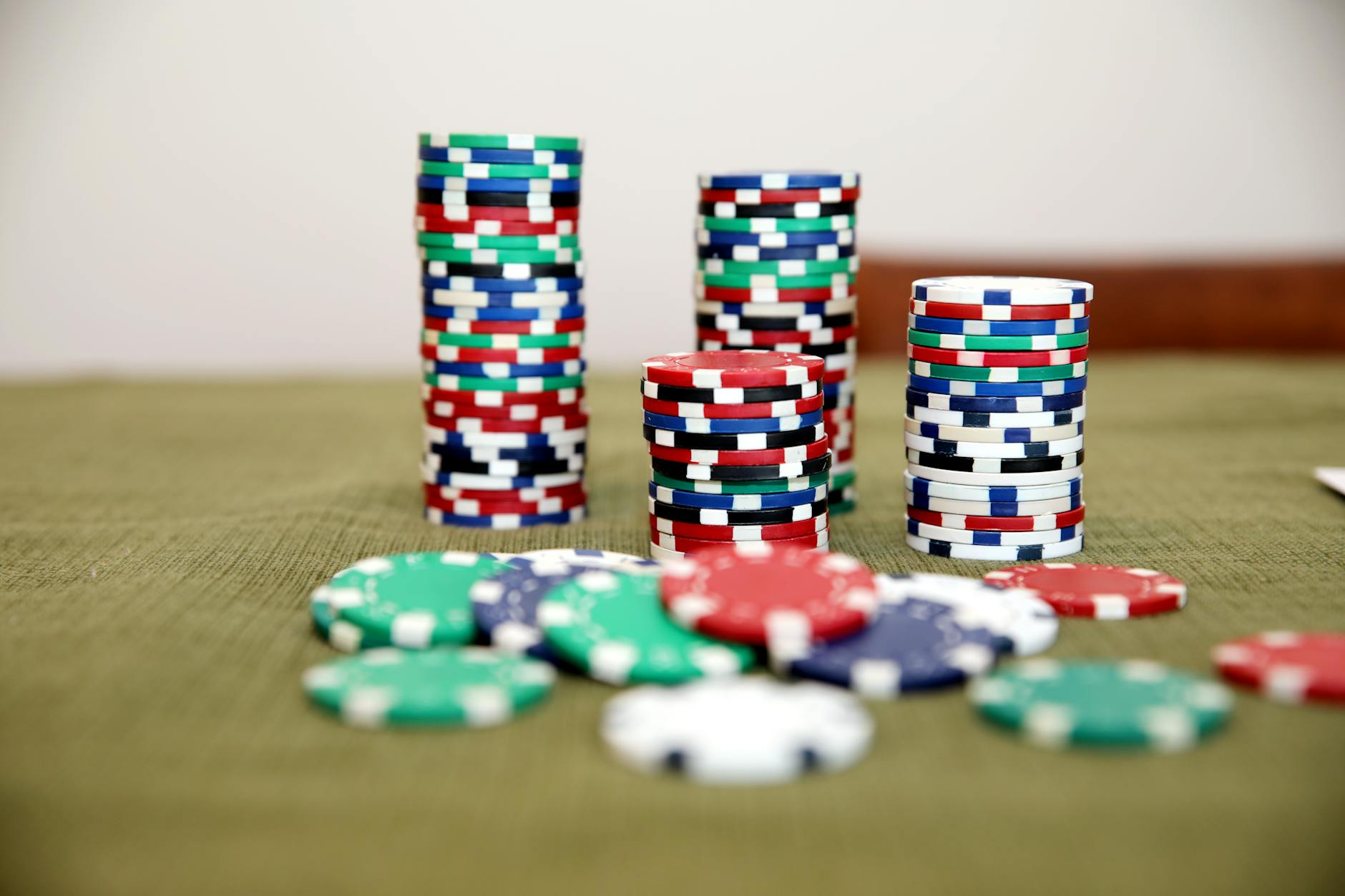
Photo by dp singh Bhullar on Pexels
Tactical Review · System Archive · Entry Complete